Our process
From leaf to cloth
NILA's prints are botanical impressions: leaves and flowers laid on the cloth leave their own likeness in it.
This page follows a piece through the studio, stage by stage, in the studio's own footage.

About the craft · general
Printing with plants
Eco-printing is a way of printing with plants. Leaves and flowers are laid directly on fabric, bundled tightly and heated, so that their natural colour can move into the fibres. When the bundle is opened, each leaf has left an impression of its shape, often down to the finest vein.
Methods vary widely from artist to artist. What follows is the process as it appears in the NILA studio's own footage. For a longer introduction, read What is eco-printing?
In the studio
Seven stages
Filmed in the studio. Each description keeps to what the footage shows.
 01
Arrange
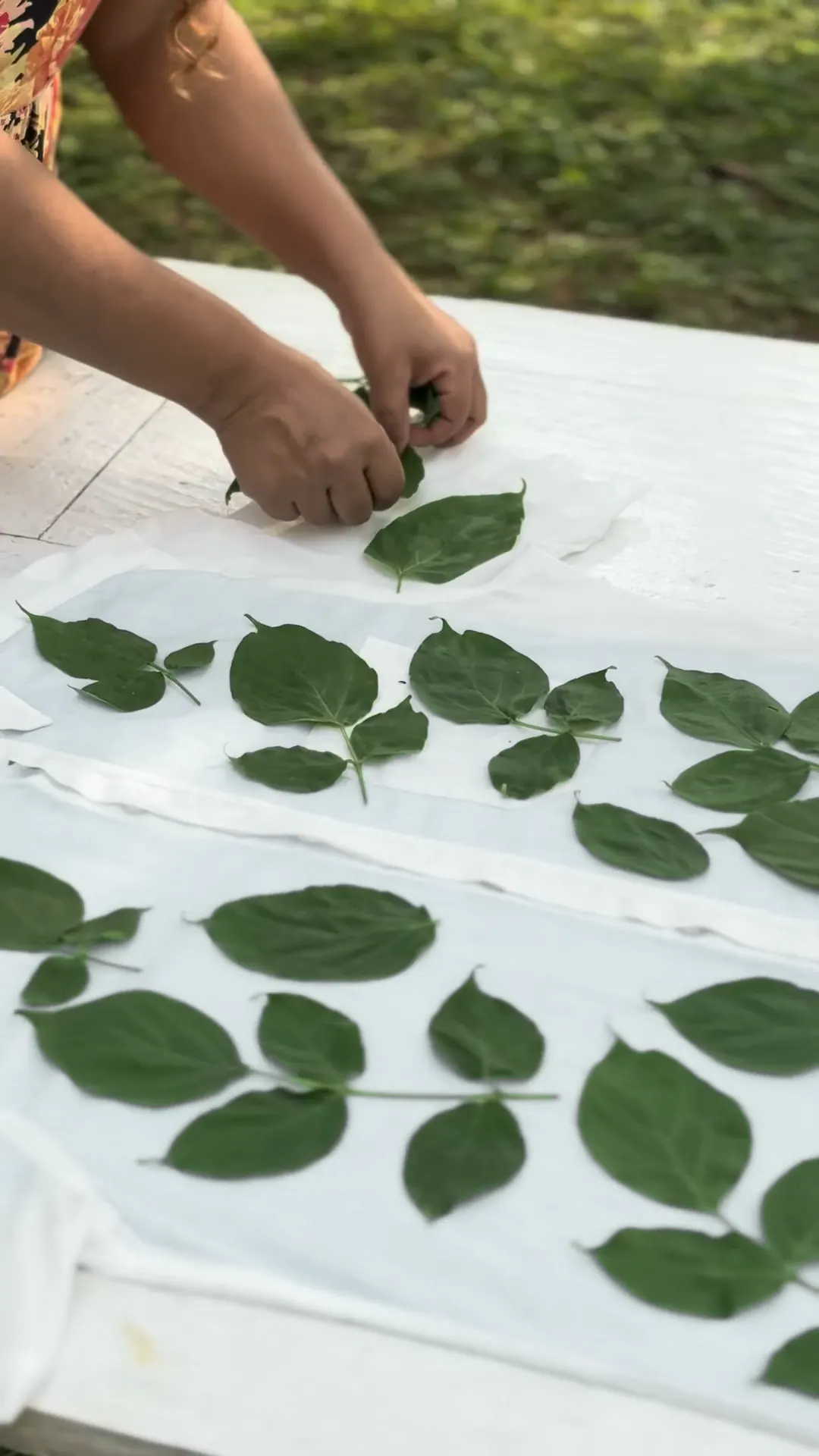
Leaves are laid on the cloth one by one. Their placement is the composition.
Each leaf is chosen and placed by hand. The arrangement decides everything that follows: where colour will gather, where the cloth stays open, how one print will meet the next.
 02
Cover & roll
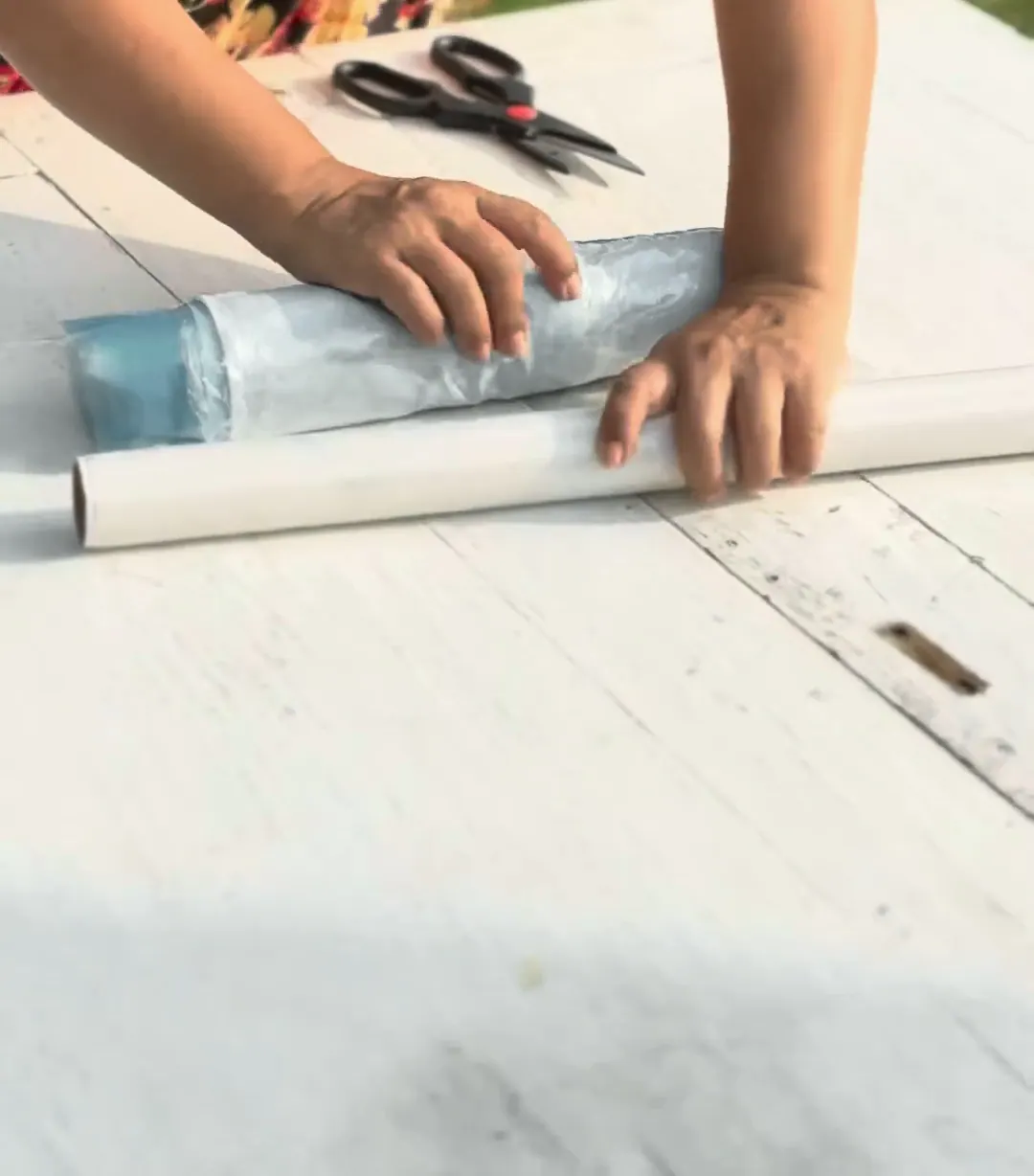
The arrangement is covered, then rolled tightly around a core.
A sheet is laid over the leaves and the cloth is rolled firmly around a pipe, so that every leaf is held close against the fabric.
 03
Bind
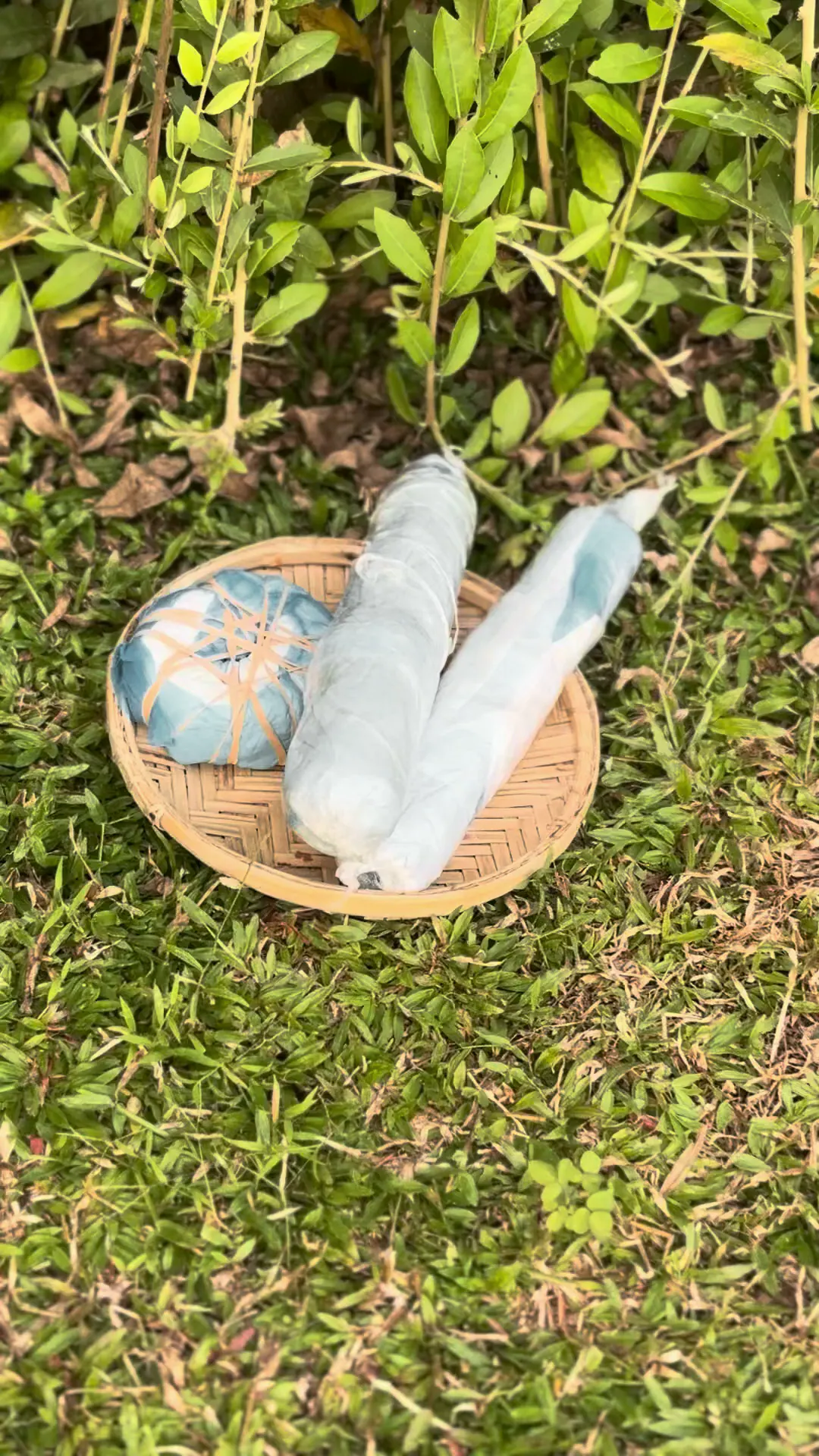
Each roll is tied into a firm bundle.
The rolls are bound tightly with string so nothing can shift. Bundled like this, cloth and leaves are ready for heat.
 04
Steam
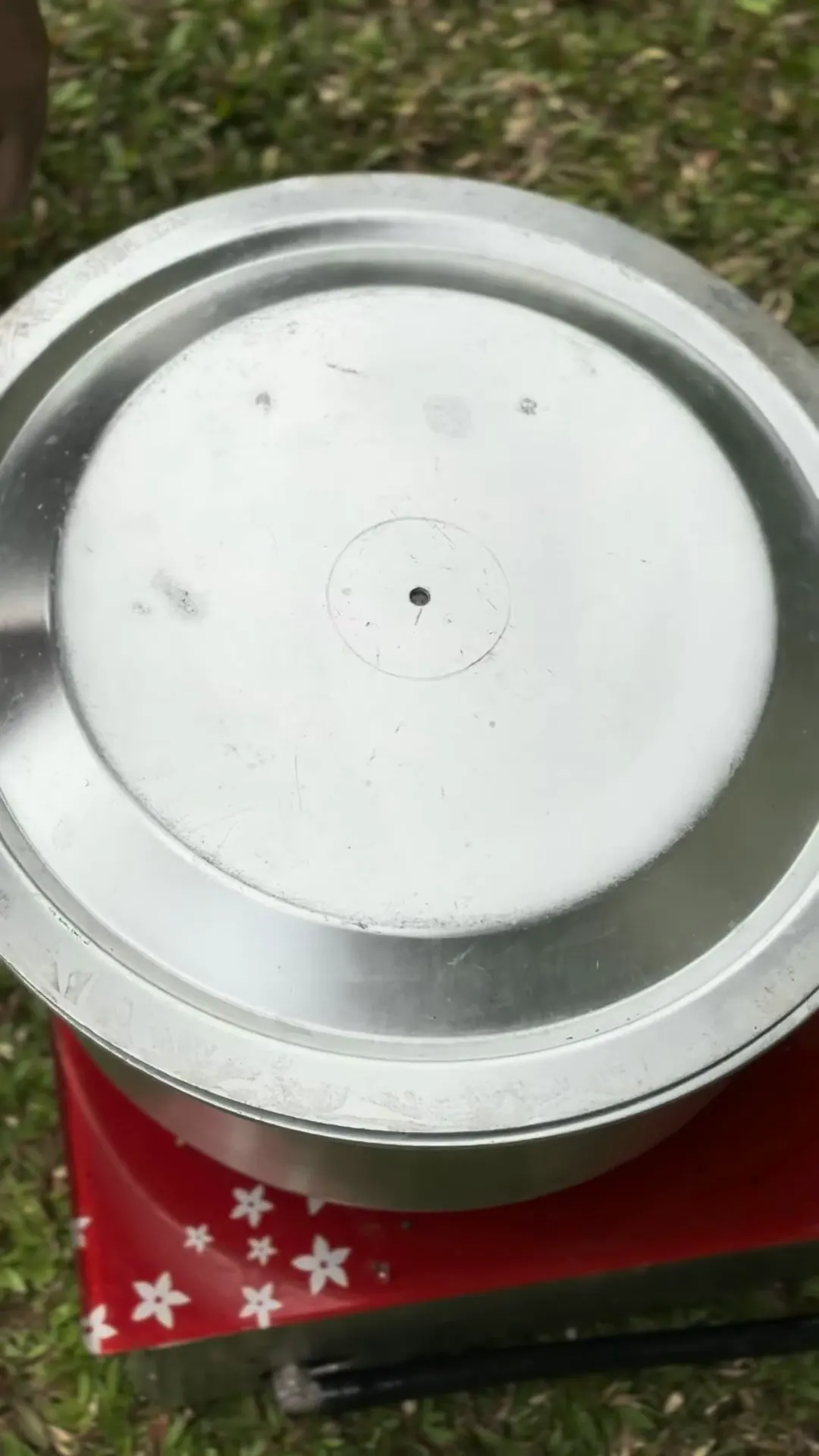
The bundles are steamed. Heat and moisture help the leaves release their colour.
The bundles rest on a rack inside a covered steamer pot. Heat and moisture help the leaves give up their natural pigments to the fibres. It is the part of the process the artist guides but cannot see.
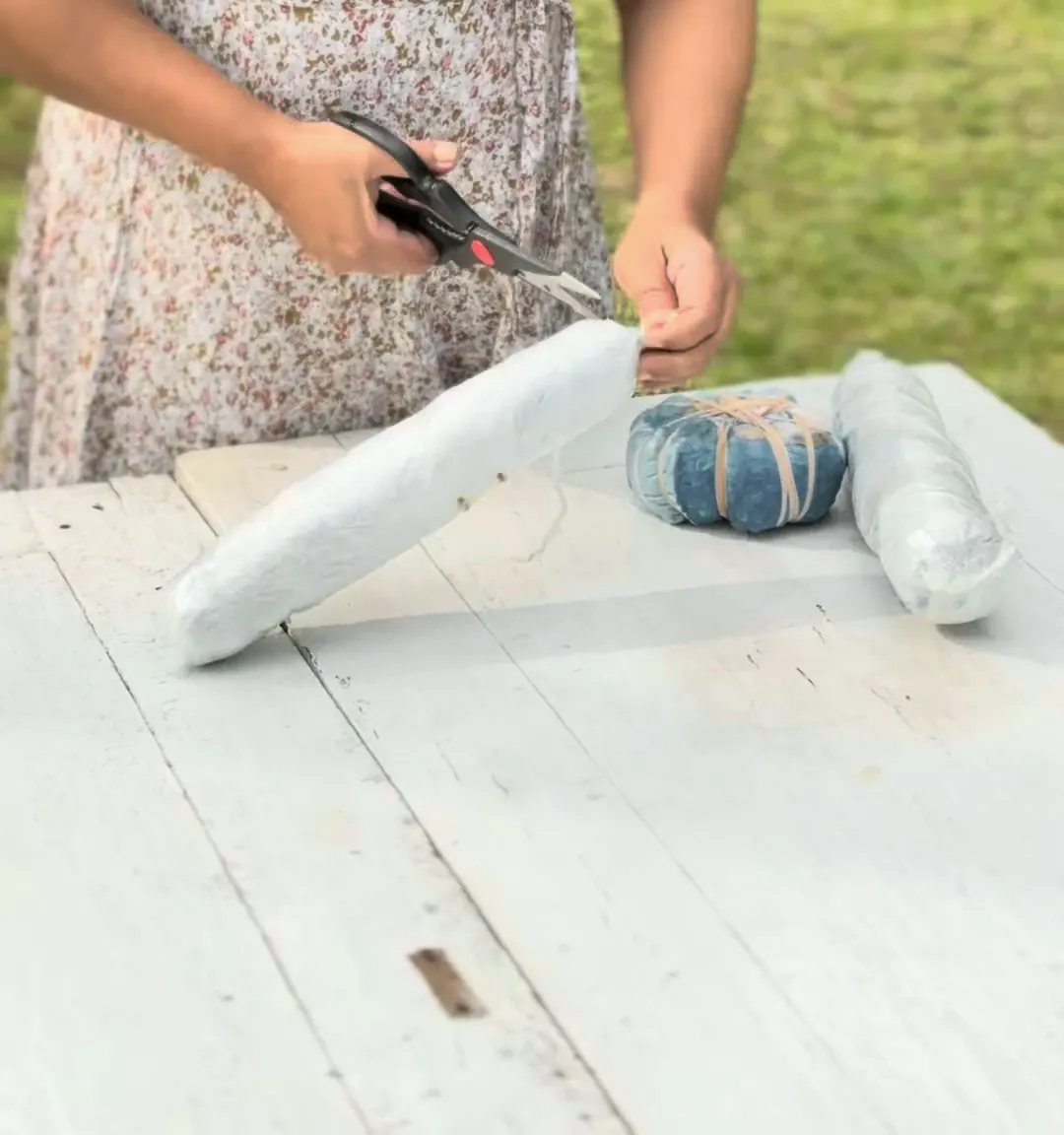 05
Unwrap
After steaming, the bundles are opened.
The ties are cut and the cloth is unrolled, its leaves now dark from the steam. It is the most anticipated moment of the process.
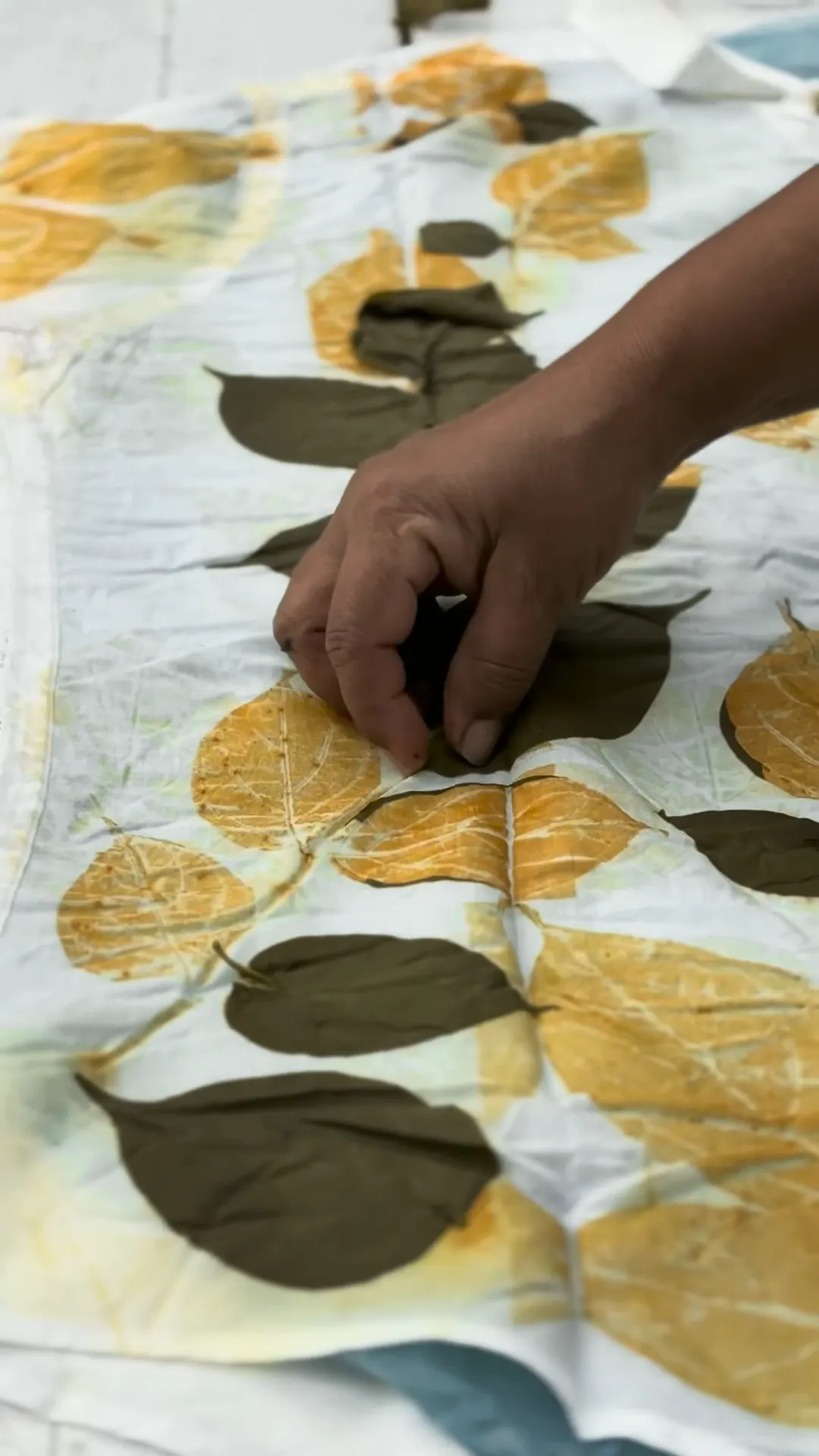 06
Reveal
Leaves are lifted away to reveal their imprint, every vein recorded in colour.
One by one, the spent leaves are peeled back. Beneath each one lies its likeness: outline, veins and texture, held in the cloth.
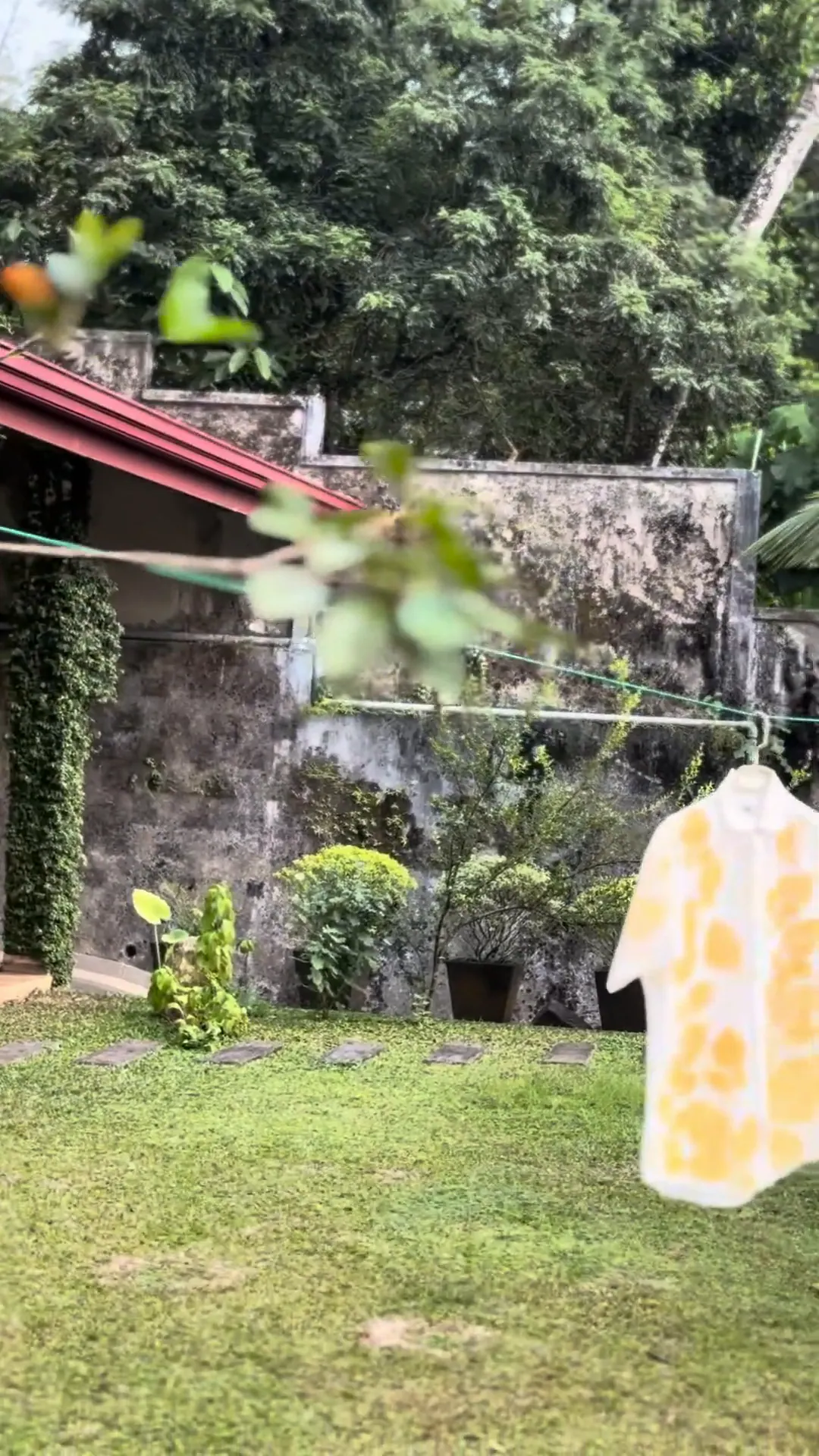 07
Dry
The finished piece dries in the open air.
Hung on a line in the garden, the cloth dries, and the new print can be seen whole for the first time.


Before and after
Laid out, then opened
Two moments from the studio's photographs: leaves arranged on cloth before bundling, and a finished cloth after opening, its prints in gold and ochre.


Field note
One shirt, two days
The studio's footage follows a single white shirt from the first leaf on day one to the drying line on day two.
Read the full storyWhy every print differs · general
No two prints are ever alike
A print is the meeting of many variables. A few of the most important:
The leaf
Its kind, its age, the season and how fresh it is.
The fabric
Cotton, silk and other natural fibres each take colour in their own way.
The bundle
How tightly it is rolled and bound, and what touches what inside it.
Heat and time
How long, and how hot, the bundle is heated.
Glossary · general
Words of the craft
- Eco-printing
- Printing with plants. Leaves and flowers are placed directly on fabric, bundled and heated so that their natural colour transfers to the fibres.
- Bundle
- The rolled or folded and tied package of fabric and plant material that is steamed or simmered.
- Imprint
- The mark a leaf leaves on cloth: its outline, veins and colour.
- Ghost print
- A fainter echo of a leaf that can appear on a neighbouring layer of cloth inside the bundle.
- Halo
- A soft ring of colour that sometimes forms around the edge of a printed leaf.
- Mordant
- In natural dyeing generally, a substance used to help colour bond with fibre and to shift its shade. Practices vary from artist to artist.